



Legislation
The legal requirements referred to in thematic and indicator factsheets are based on EU legislation. National regulations in EU Member States may exceed these requirements.
Council Directive 98/58/EC of 20 July 1998 lays down the minimum requirements for the protection of animals kept for farming purposes and requires owners or keepers to not cause unnecessary pain, suffering or injury, and inspect animals at least once a day or at intervals to avoid suffering.
- Annex – Buildings and accommodation – no. 11 Animals kept in buildings must not be kept either in permanent darkness or without an appropriate period of rest from artificial lighting. Where the natural light available is insufficient to meet the physiological and ethological needs of the animals, appropriate lighting must be provided.
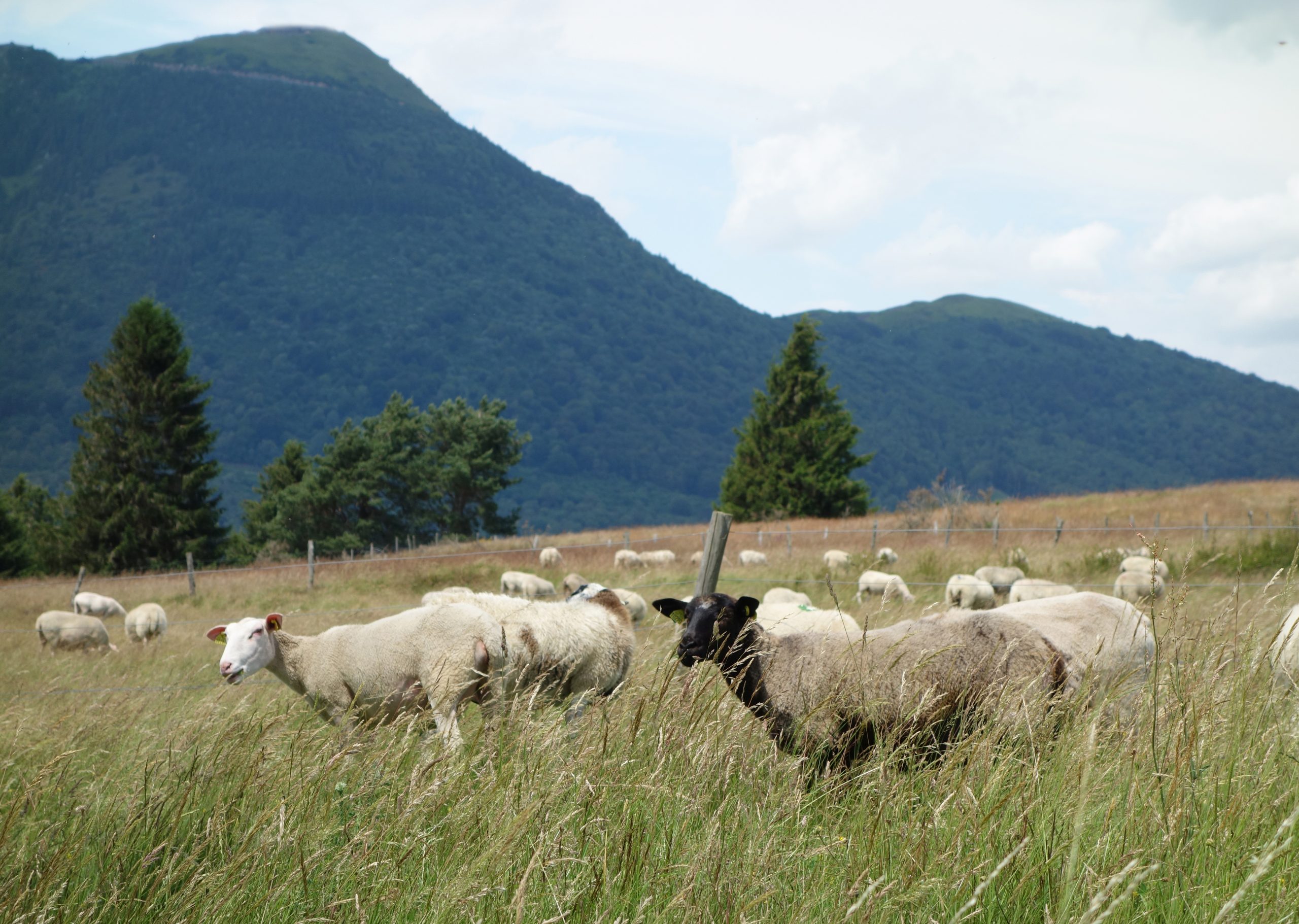
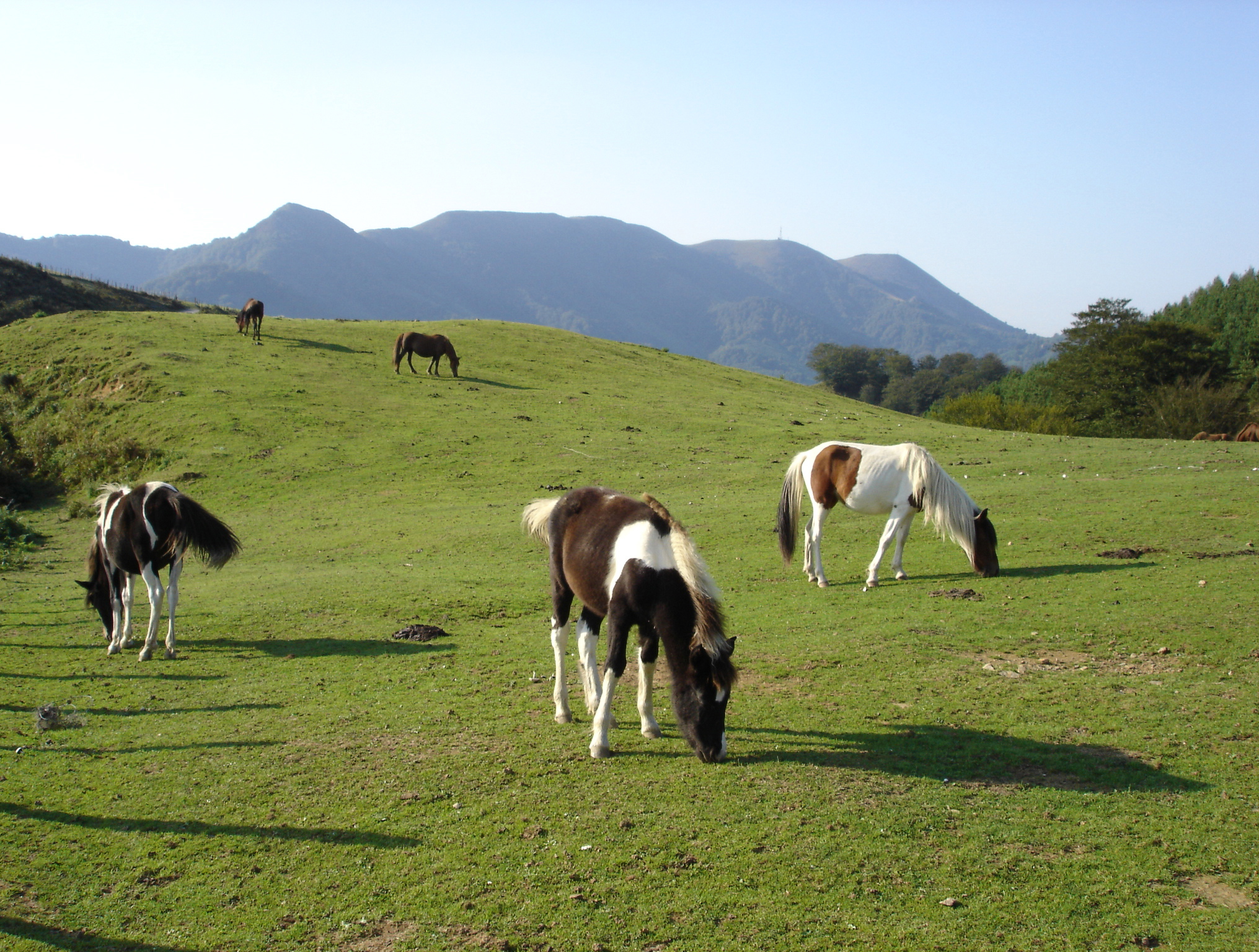
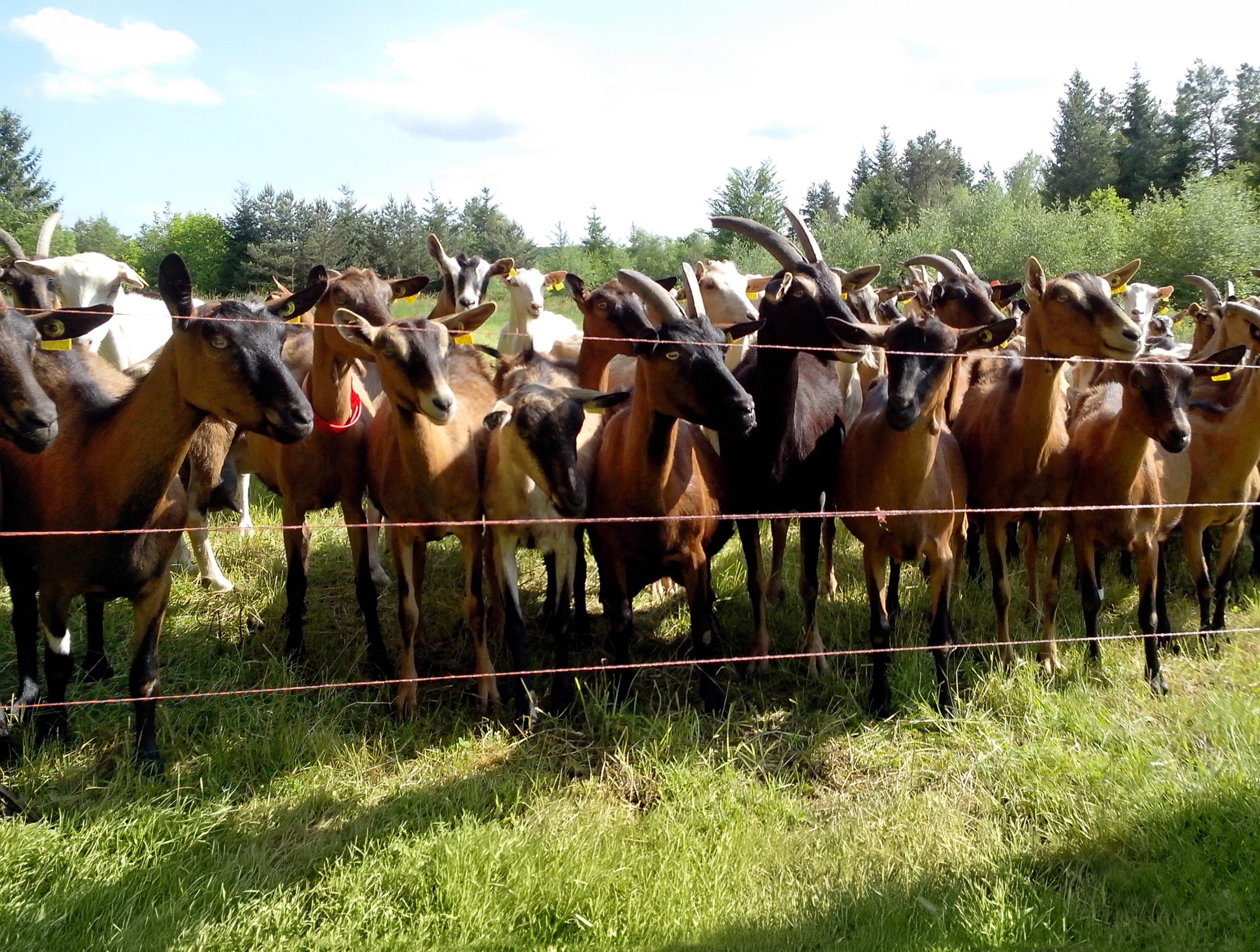
- Annex – Animals not kept in buildings – no. 12 Animals not kept in buildings shall where necessary and possible be given protection from adverse weather conditions, predators and risks to their health.

©INRAE Carreras F
in individually housed calves
©Veissier I
in individually housed calves
©INRAE
in individually housed calves
©Berg L
in individually housed calves
©Pomies D
in individually housed calves

Knowledge
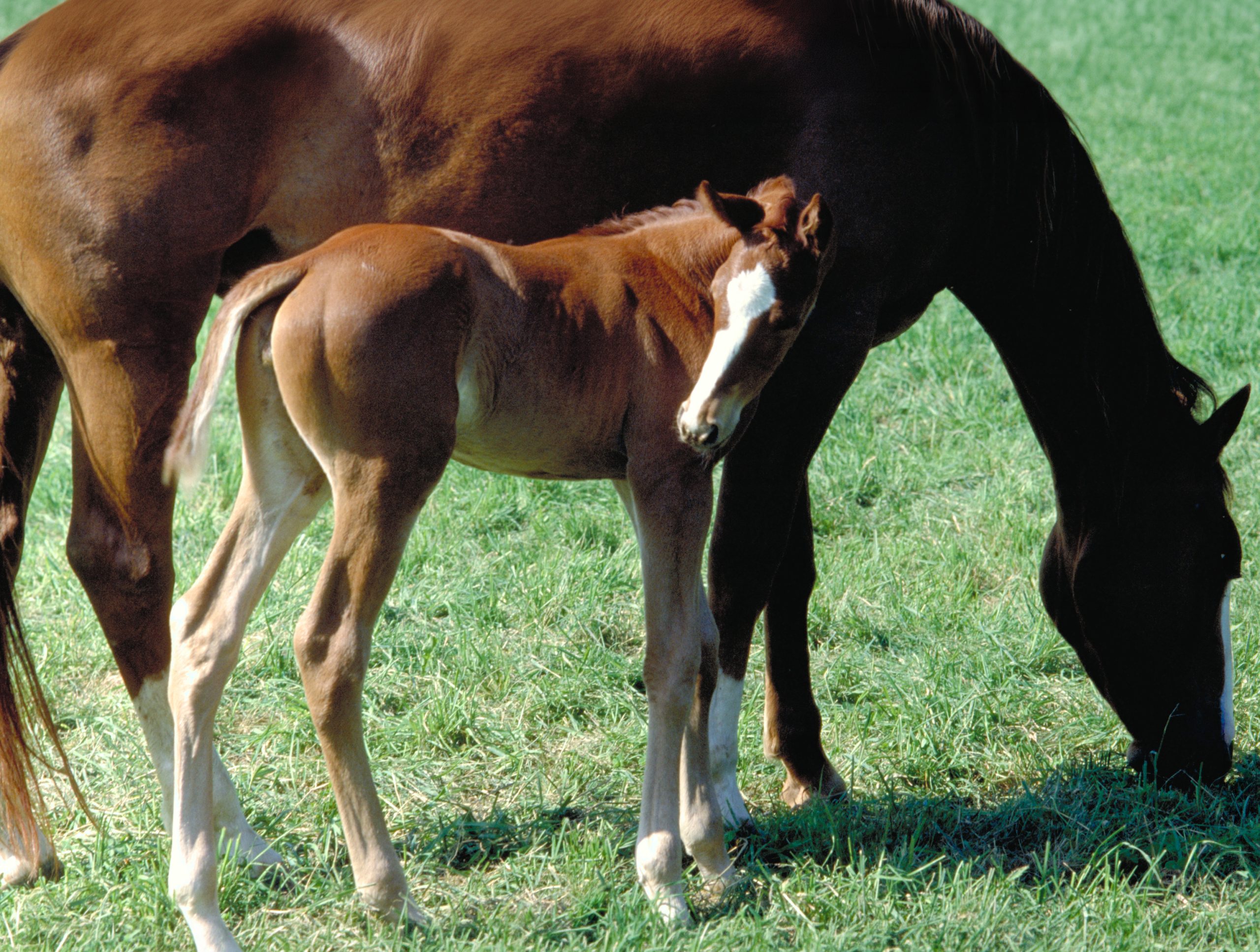
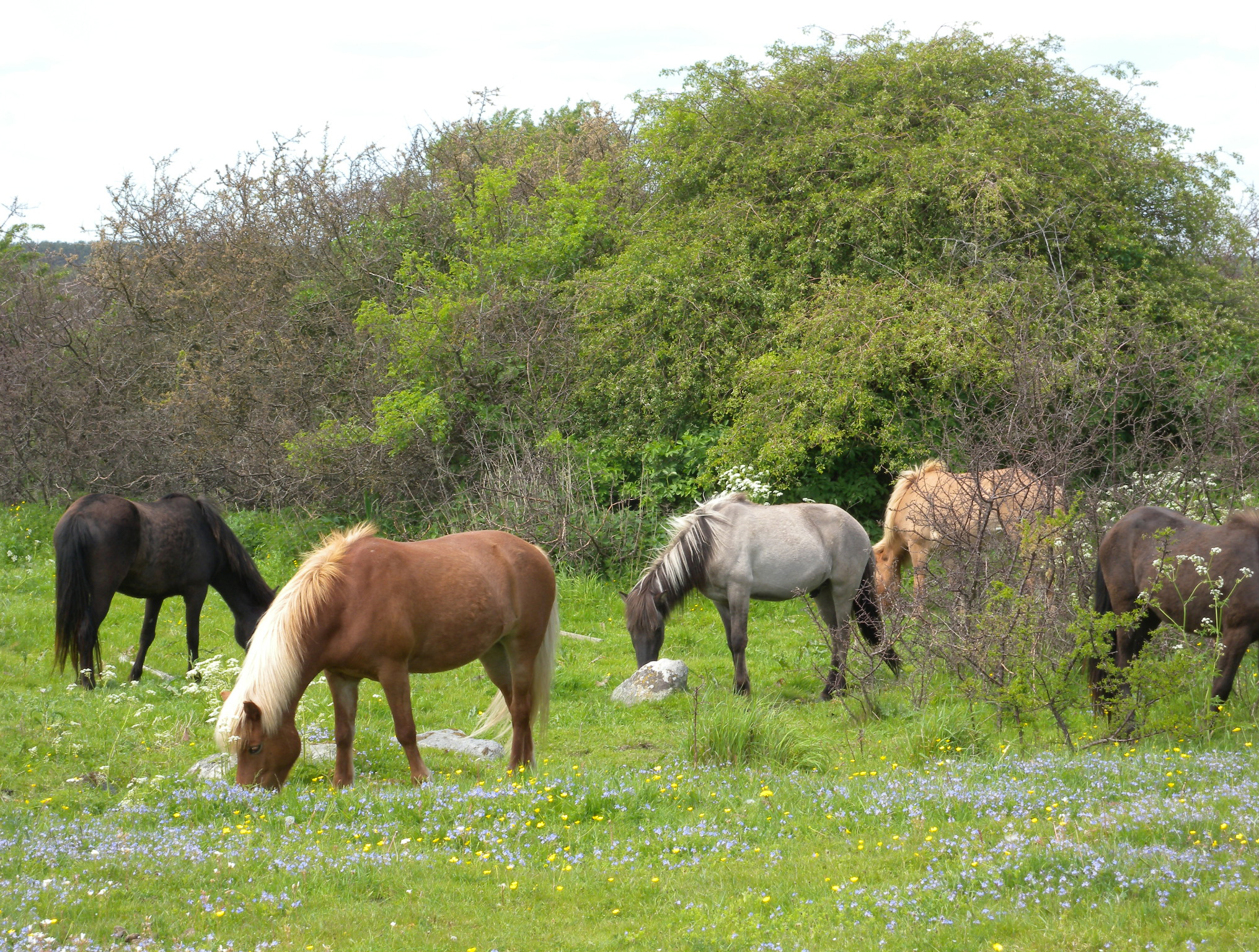
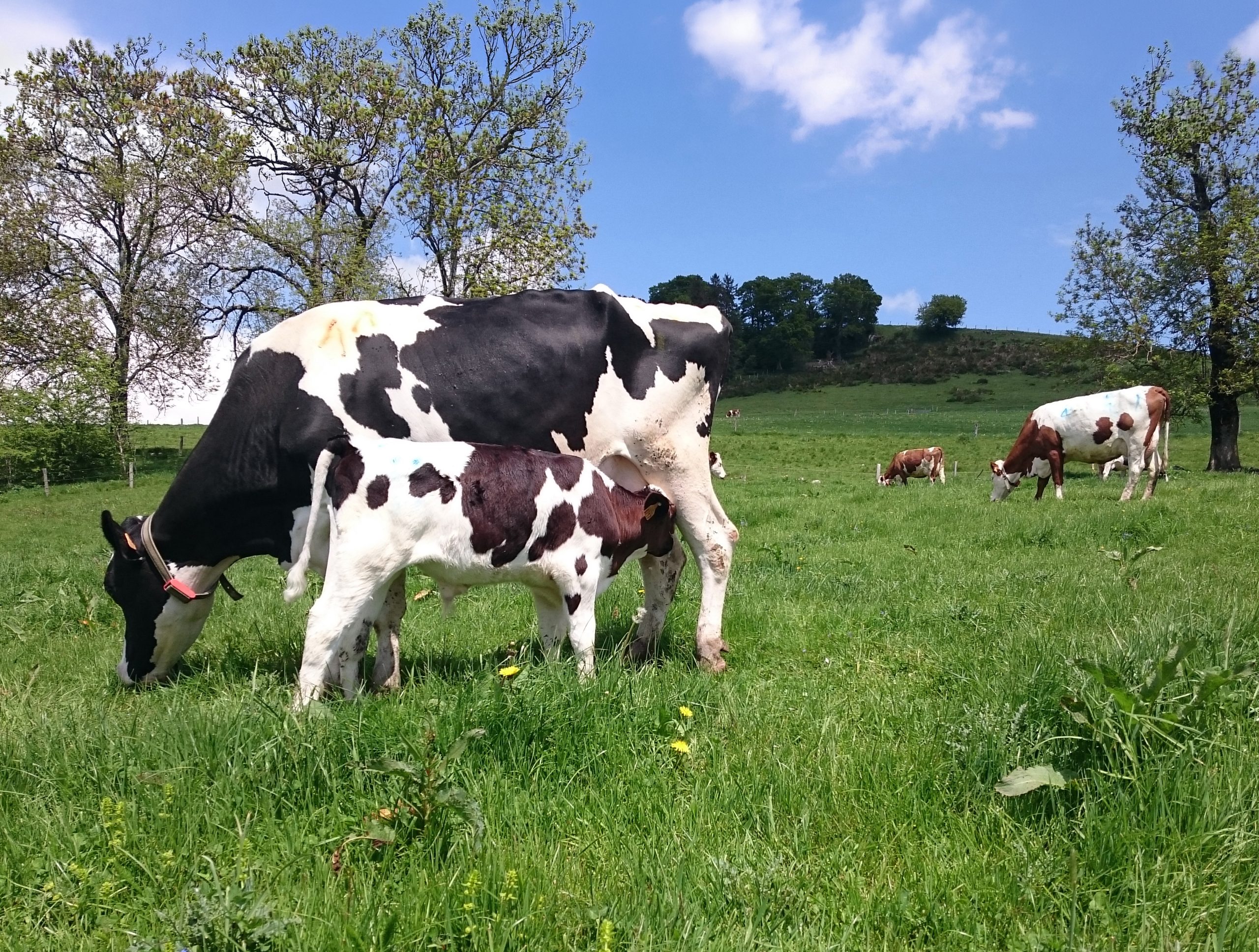
Equines and ruminants have different digestive systems which require species-specific feeding management. Access to pasture and grazing are important to both ruminants and equines to maintain healthy digestion.
The scientific review summarises the knowledge on the benefits and the risks associated with pasture access in ruminants and equines from a welfare point of view. The consequences of preventing pasture access are also described along with recommendations to ensure adequate pasture access. The thematic factsheet highlights key points from the review.

Tools for Inspection
When animals are kept on pasture, it is necessary to check that potential welfare risks have been addressed. This can be achieved by checking the environment, asking information from the farmer, and observing animals. The animal welfare indicator factsheet provides key factors to appropriately manage pasture access for ruminants and equines, and recommendations to support official inspections.