SUMMARY
New review examines how animal welfare is measured on farm
© iStock / Willy Mobilo
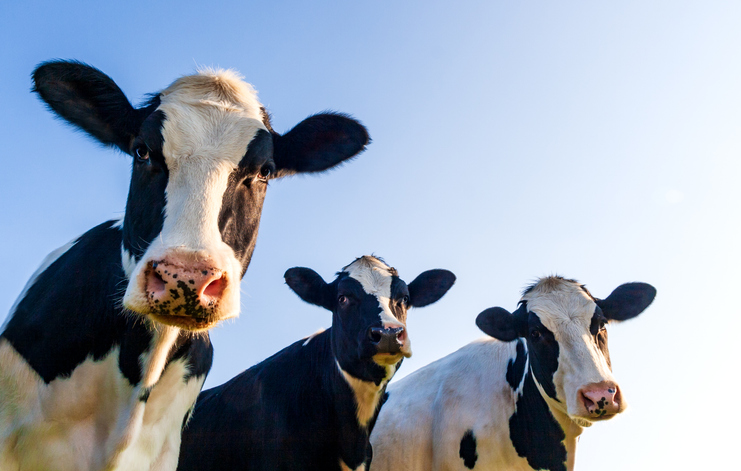
How can we tell whether animals are experiencing good welfare, rather than simply living in suitable conditions? A new scientific review examines the indicators used to assess farm animal welfare, what they can tell us about animals’ experiences, and where current methods fall short.
Published in Animal, the review by C.M. Dwyer, G.H.M. Jørgensen and J.-M. Gautier explores how welfare assessment can better reflect animals’ physical and mental states.
Housing conditions, available resources and physical health are important, but they cannot fully explain how an animal experiences its life. The authors therefore emphasise the role of animal-based measures, including behaviour, facial expressions, avoidance responses and preferences, in helping assess animals’ mental states. These indicators must be valid and reliable, however, and some remain challenging to apply in everyday farm conditions.
The review also explores the potential of sensors and automated monitoring to support more continuous welfare assessment, while recognising the technological, methodological and ethical challenges involved. Another important gap remains: current approaches do not adequately capture positive welfare and overall quality of life.
These questions are particularly relevant to the work of EURCAW Ruminants & Equines, which develops practical resources to support animal welfare assessment by competent authorities. The review highlights why robust, evidence-based indicators are essential, and why continued work is needed to ensure that welfare assessments reflect animals’ experiences, not just the conditions in which they are kept.