SUMMARY
New “Inspector@work” feature: Sharing key insights from Ireland
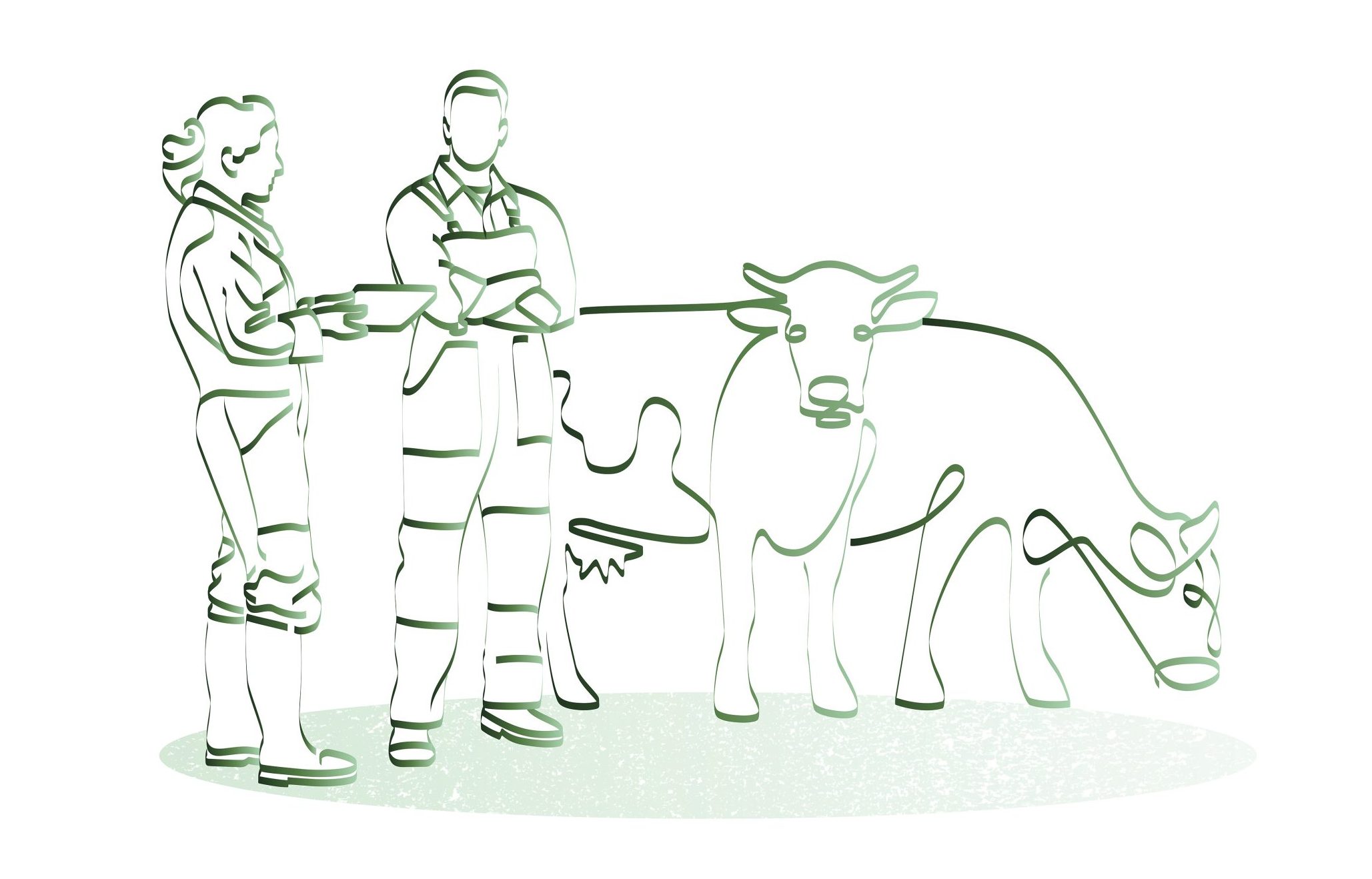
The latest Inspector@Work episode from EURCAW Ruminants & Equines features a perspective from an official veterinary inspector in Ireland.
Read an excerpt from the interview below, or listen to the audio-generated version here. You can also read the full feature on our website.
What is your current role and what are your main responsibilities, as well as how many years have you been in this role?
I’m employed by the Department of Agriculture, Food and the Marine (DAFM) as a veterinary inspector. DAFM is the competent authority for animal welfare. We work under the auspices of European legislation that’s been transcribed into Irish legislation.
My responsibilities are welfare on farm and welfare at export. Our office is open to the public. We receive welfare complaints that are followed up by us.
There are targeted welfare inspections that we visit; our colleagues in headquarters would select certain herds that may indicate welfare problems in the herd. For example, increased mortality in calves or a herd that’s very slow to complete their requirements as regards tagging and registration, can be an indicator of inadequate welfare standards. From the welfare point of view, that’s one of the areas we work in.
How many years have you been in this role?
I’ve been over twenty years in this role. I’ve seen changes as time has gone on. Legislation has improved; different systems of farming have improved and disimproved.
What motivated you to become an inspector?
First of all, I grew up on a dairy farm in Cork, and it’s an intensive dairy-producing part of the country. I always had a fondness for dairy farming, especially for the cattle and the animals that came with it. I was lucky enough to enter veterinary college and qualify as a veterinarian.
When I qualified, I worked mainly in farm animal practice. In that regard, I got a lot of experience on all types of farms, but I particularly enjoyed dairy farms, beef, and suckler farms most.
Why did I join the state service? I suppose the big difference between the state service and being in private practice is you have more authority and more tools to deal with people, certainly in situations where there may be resistance or there may be difficulty in trying to deal with a welfare situation. Certainly, that would have been an attraction for me, an area that I’ve always wanted to be involved in.
What do you enjoy most about being an official inspector?
Being on the farm, simple as that, being both in contact with cattle and other farm animals. That’s a big attraction for me.
But above that, you do get a sense of reward from seeing animals being cared for or trying to influence herd owners and people involved in farming to improve their welfare standards.
We’re also involved in meetings between fellow colleagues, and we have welfare meetings with our headquarters where we share information. In that sense, it’s a joy meeting them as well and getting feedback from other people who do the same kind of work, which can be beneficial.
Read the full interview here.