Enrichment
This Welfare Topic aims to support Competent Authorities and other stakeholders with welfare improvements for ruminants and equines through environmental enrichment. The documents published by the EURCAW Ruminants & Equines on this topic are not legally binding and may be updated periodically.




Legislation
The legal requirements referred to in thematic and indicator factsheets are based on EU legislation. National regulations in EU Member States may exceed these requirements.
Council Directive 98/58/EC states general rules for the protection of animals kept for farming purposes. Council Directive 2008/119/EC sets minimum standards for the protection of calves. There is no reference to the provision of enrichments except that calves must have visual and tactile contacts with neighbours when they are in individual crates (under 8 weeks of age).
Council Directive 2010/63/EU for the protection of animals used for scientific purposes mentions enrichment, in reference to the expression of behaviour and the reduction of negative emotions (stress).


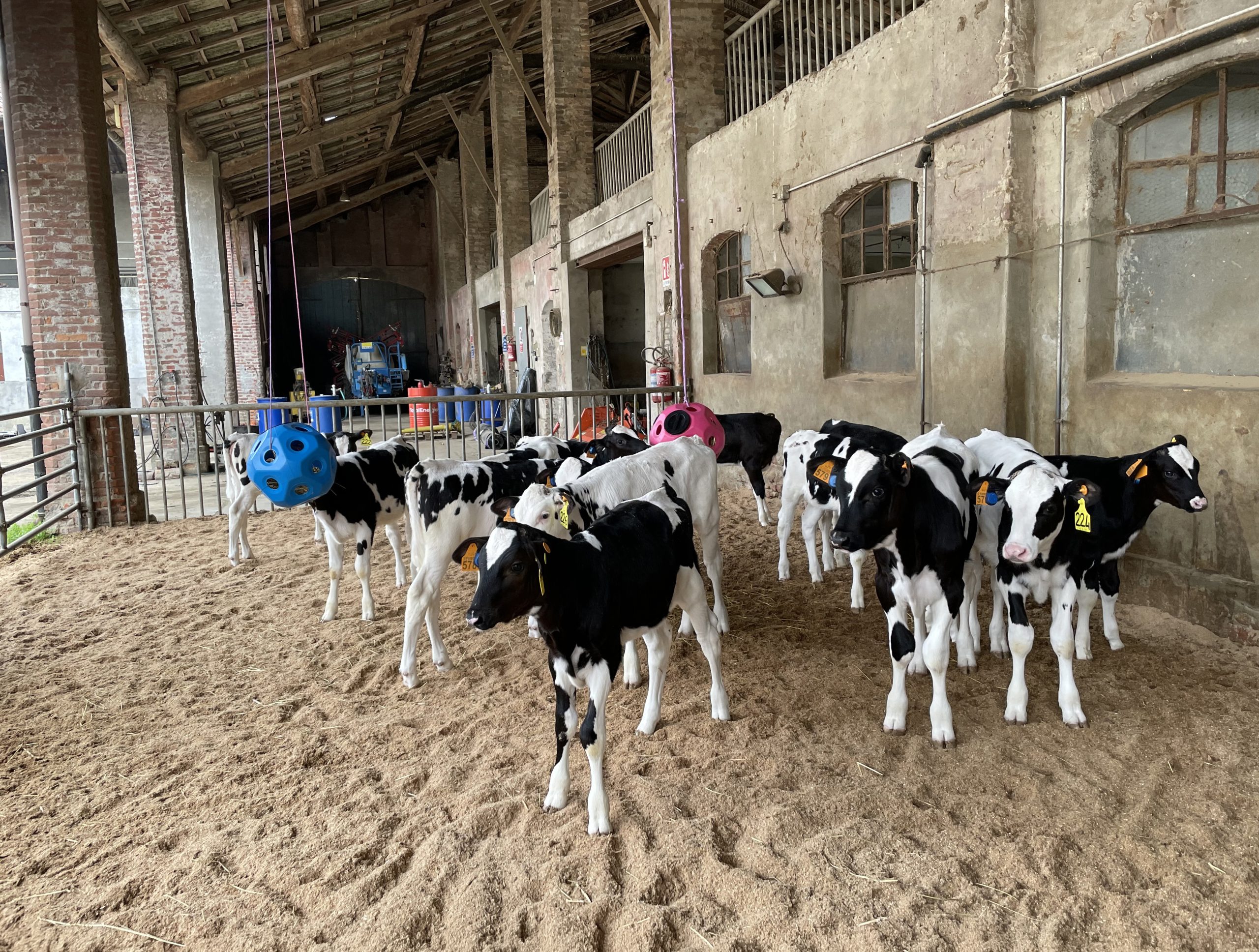
©EURCAW Hanlon A
in individually housed calves
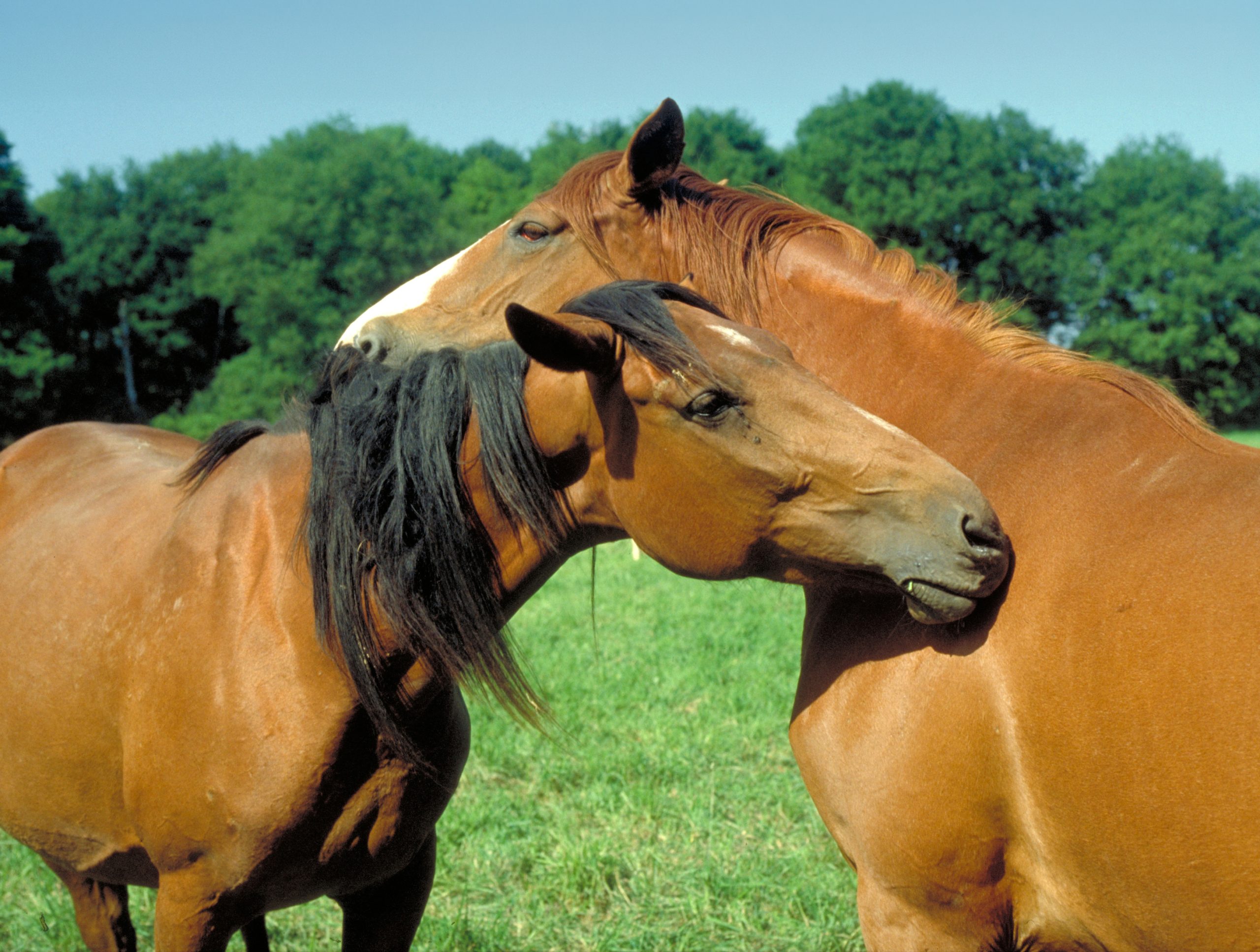
©INRAE Paillard G
in individually housed calves
©StaafLarsson B
in individually housed calves
©INRAE Cattiau G
in individually housed calves
©Messager L
in individually housed calves

Knowledge
Enriching the living environment of captive animals provides stimulation and allows animals to perform natural behaviours that may be prevented in their captive environment. Enrichments are commonly divided into physical, occupational, sensorial, nutritional and relational enrichments. They promote positive emotions and improve animal’s welfare. Environmental enrichment is species-specific, depends on the developmental stage of the individuals, and can lead to frustration or stress if not adapted. Understanding the needs of animals and how they perceive their environment is therefore essential.
This review presents the current knowledge on the concept of environmental enrichment and its different types. The general needs of animals and the current situation of European farming systems are summarised, and a procedure for designing and verifying the efficiency of new enrichments is presented.

Tools for Inspection
Various enrichments are possible. Common principles for the design and the evaluation of enrichments are provided. The an indicator factsheets cover the enrichments for cattle, small ruminants, and equines. The issue of social contacts for calves is addressed in the Welfare Topic on Calf Housing.
This indicator factsheet provides recommendations for inspection regarding environmental enrichment in ruminants and equines.