SUMMARY
FRCAW opinion on the effects of transport on the welfare of calves under five weeks of age

© BRUNET Valentin
The French National Reference Centre (FRCAW) has issued a new opinion on the primary welfare challenges posed by transporting calves younger than five weeks, at the request of the Animal Welfare Office (BBEA) of the General Directorate for Food (DGAL) at the French Ministry of Agriculture.
Across the EU, calves are typically moved at two to four weeks of age, a period during which they remain physiologically immature, their immune systems are still developing and their ability to regulate body temperature is limited. Under these conditions, transport presents a risk of fatigue, stress, dehydration, illness, and death. This susceptibility reduces as calves age: those at two weeks are more at risk than those at four weeks, the risk is further reduced in calves at six months, by which point immune maturity has been reached. Additionally, full healing of the navel before transport, a condition required by Council Regulation No. 1/2005, does not occur until three to four weeks of age, adding further weight to concerns about early transport.
Under the current EU regulation, calves under ten days old may be transported on journeys of less than 100 km, while those from ten days old may travel for up to eight hours, in both cases subject to complete navel healing. For longer journeys exceeding eight hours, the existing minimum age requirement is fourteen days. Therefore, a key element of the regulatory proposal is raising the minimum age at which calves may be transported to five weeks, which allow transport from as early as ten days of age for journeys exceeding 100 km, and from fourteen days for journeys of more than eight hours.
The following table summarises the journey durations and minimum ages set out in the current legislation and the proposed regulation:
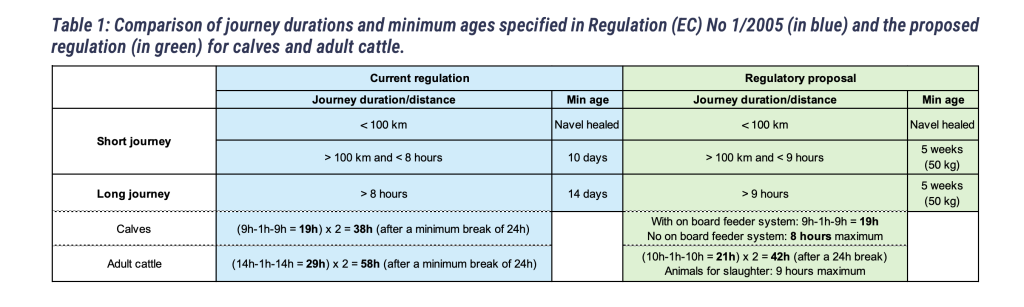
Table 1 (Violaine, C. et al., 2026, p. 10)
The report restates the recommendations for transporting unweaned calves set out in the EFSA opinion and by other researchers. The scientific literature highlights the critical role of proper colostrum management from birth in supporting the passive transfer of immunity. It also underlines that calves should receive adequate energy intake through milk replacer offered around four hours before departure, and that the total duration of any journey should not exceed eight hours.
This report is situated within a wider process of regulatory reform. In December 2023, the European Commission formally proposed a new regulation of the European Parliament and of the Council covering the protection of animals during transport and associated activities, which would amend Regulation (EC) No 1255/97 and repeal the existing Council Regulation (EC) No 1/2005. The revision seeks to align the regulatory framework with current scientific knowledge on animal welfare in transport.
Due to the greater sensitivity of unweaned calves to transport conditions, specific protocols are required in assessing their fitness for transport. Guides setting out the calf health indicators that should be used when assessing fitness for transport are provided on the websites of the European Commission and EURCAW Ruminants & Equines.
See more: Full report
Citation: Violaine Colson, Camille Bezançon, Louise Kremer, Lisa Diaz, FRCAW Panel of experts, Geneviève Aubin-Houzelstein. Opinion of the FRCAW on the effects of transport on the welfare of calves under five weeks of age. CNR BEA. 2026. Translated by Teresa Bridgeman DOI: 10.17180/hgr3-8h97