SUMMARY
European Parliament responds to questions on economic challenges of complying with EU animal welfare rules
© B Nicolas / INRAE
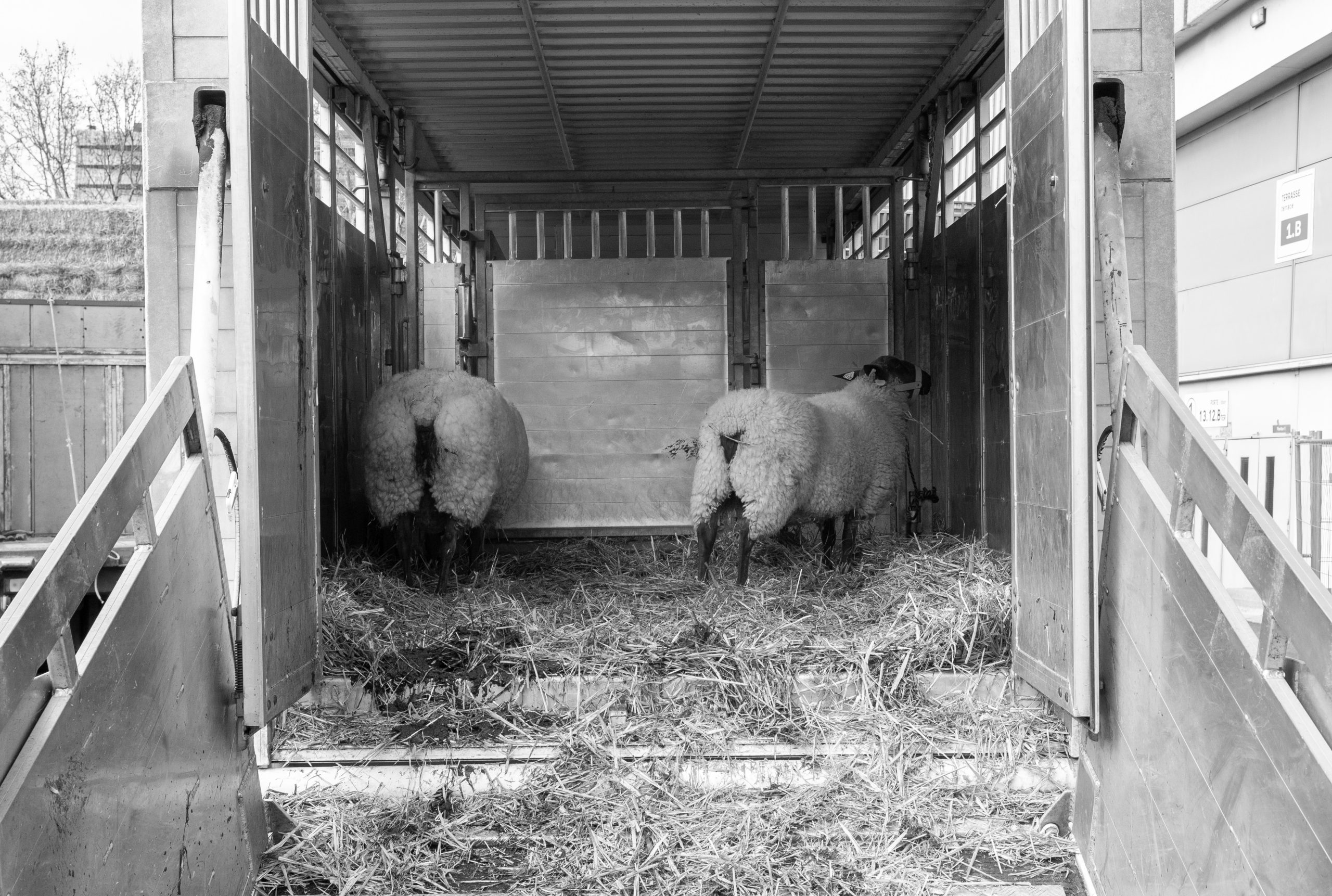
The European Parliament recently addressed two questions (E-004663/2025) about the economic challenges of implementing the European Union’s animal welfare requirements during transport.
The response by Commissioner Olivér Várhelyi referred to the final report of a 2023 study by Milieu SRL ‘Study Supporting the Impact Assessment accompanying the revision of the EU legislation on the welfare of animals during transport’. The study highlighted a number of challenges to the implementation of Council Regulation No.1/2005, such as
- Lack of clarity and differences in interpreting EU requirements
- Lack of tools to properly monitor and measure results
- Insufficient resources and cooperation between Member States
- Journey risk factors for animal welfare
- Insufficient knowledge and training among key actors
When evaluating the financial implications, the impact assessment distinguishes between costs incurred by farmers and those incurred by transporters. Specifically, investments in vehicle upgrades, increased space allowances and weather-dependent logistical planning represent significant operational costs for the transport sector.
In terms of financial assistance, the European Competitiveness Fund supports activities that are closely aligned with its core objectives. In the agriculture and bioeconomy sectors, the fund will support the development, implementation, monitoring and enforcement of EU policies. Other financial instruments are also available: farmers can access funding through the Common Agricultural Policy, and transporters (typically small and medium-sized enterprises) can access loan guarantees via the InvestEU ‘SME window’.
The European Commission is committed to ensuring the welfare of animals during transport, both within and outside the European Union. This commitment is based on the recognition of animals as sentient beings, and the need for their treatment to reflect ethical, scientific and societal expectations. Key objectives include minimising suffering during long journeys, improving conditions for vulnerable animals, utilising digital tools for enforcement and safeguarding animals exported to non-EU countries.
Fitness for Transport is one of the Welfare Topics covered by EURCAW Ruminants & Equines, and has published animal welfare indicator factsheets for bovine, equine and small ruminants.
Reference: European Commission: Directorate-General for Health and Food Safety and Milieu SRL, Study supporting the impact assessment accompanying the revision of the EU legislation on the welfare of animals during transport – Final report, Publications Office of the European Union, 2023, https://data.europa.eu/doi/10.2875/110728