Legislation
The legal requirements referred to in thematic and indicator factsheets are based on EU legislation. National regulations in EU Member States may exceed these requirements.
Council Directive 98/58/EC of 20 July 1998 lays down the minimum requirements for the protection of animals kept for farming purposes and requires owners or keepers to not cause unnecessary pain, suffering or injury, and maintain temperatures that are not harmful to the animals.
Article 1, Paragraph 1.
This Directive lays down minimum standards for the protection of animals bred or kept for farming purposes.
Article 3
Member States shall make provision to ensure that the owners or keepers take all reasonable steps to ensure the welfare of animals under their care and to ensure that those animals are not caused any unnecessary pain, suffering or injury
Annex – Buildings and accommodation, Paragraph 10
Air circulation, dust levels, temperature, relative air humidity and gas concentrations must be kept within limits which are not harmful to the animals.
Annex – Animals not kept in buildings, Paragraph 12
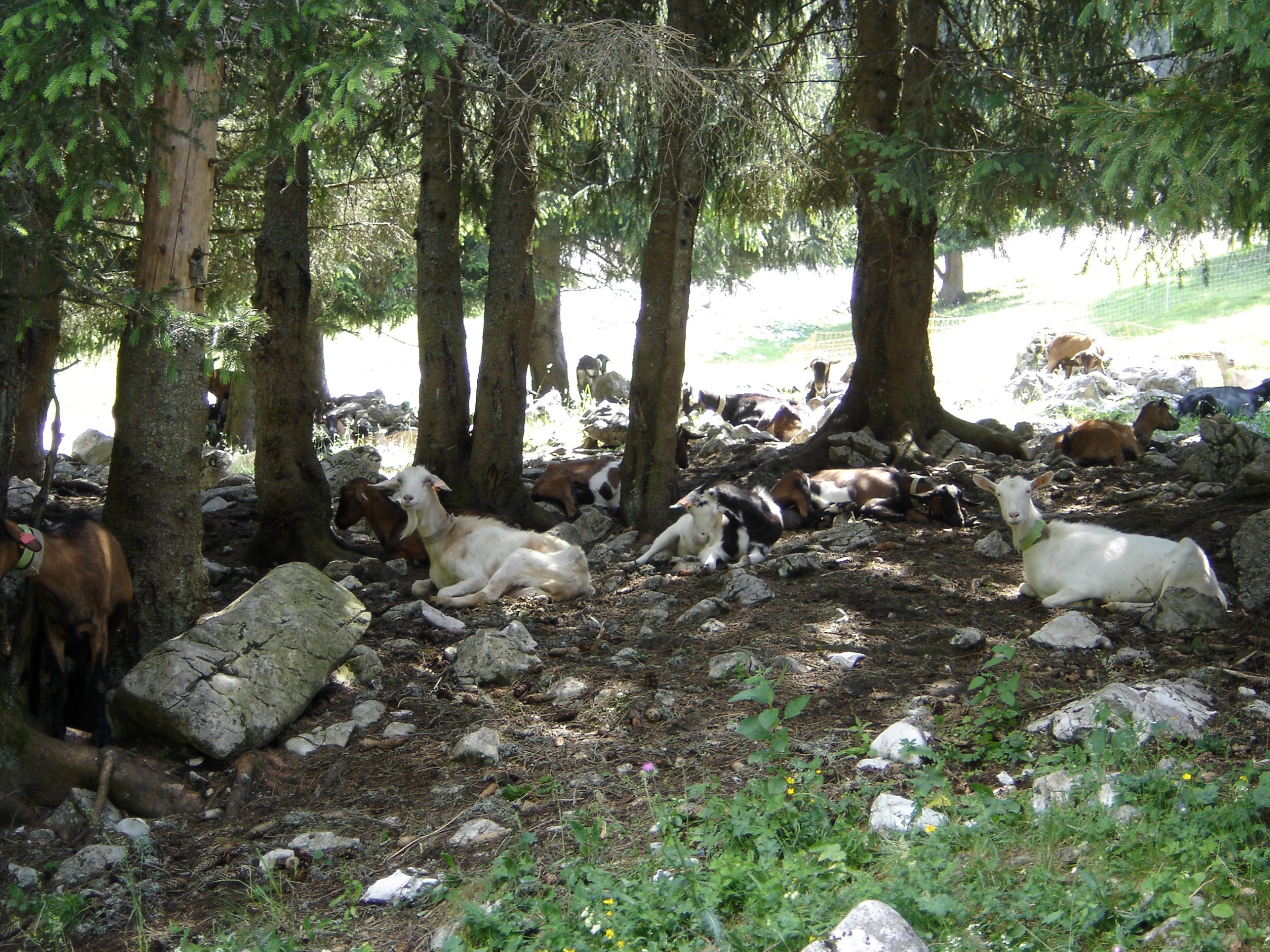
Animals not kept in buildings shall where necessary and possible be given protection from adverse weather conditions, predators and risks to their health.
Council Regulation 1/2005/EC of 22 December 2004 lays down minimum standards for the protection of animals during transport and related operations.
Annex I, Chapter II- MEANS OF TRANSPORT, Paragraph 1.1
Means of transport, containers and their fittings shall be designed, constructed, maintained and operated so as to:
(b) protect the animals from inclement weather, extreme temperatures and adverse changes in climatic conditions

© INRAE / NORMANT Sophie
Knowledge
With global weather changes, equines and ruminants will become increasingly impacted by extreme weather events. Both extreme cold and heat can impact animal behaviour and welfare. Cattle are less resilient to extreme heat which can cause heat stress. Maintaining a comfortable thermal environment for equines and ruminants is important in improving animal welfare. The scientific review examines the impacts of extreme temperatures on equines and ruminants, as well as ideal conditions for these animals and key points from the review are summarised in the thematic factsheet.
Tools for inspection
With global weather changes, equines and ruminants will become increasingly impacted by extreme weather events. Both extreme cold and heat can impact animal behaviour and welfare. Cattle are less resilient to extreme heat which can cause heat stress. Maintaining a comfortable thermal environment for equines and ruminants is important in improving animal welfare. The animal welfare indicator factsheet provides guidance and recommendations, based on the scientific review, to support official inspections.